Premium TV Wall Mounting Services for a Stylish, Modern Finish
Expert TV wall mounting services offer an effective approach for those seeking to enhance their living spaces. By delivering firm installations and perfect positioning, these solutions enhance contemporary design while boosting practicality. Licensed professionals not only evaluate wall integrity but also organize cables efficiently. This establishes a polished finish that suits current interior trends. However, understanding the nuances of this service can reveal even greater benefits that many homeowners might overlook.
Why Opt for Expert TV Wall Mounting Services
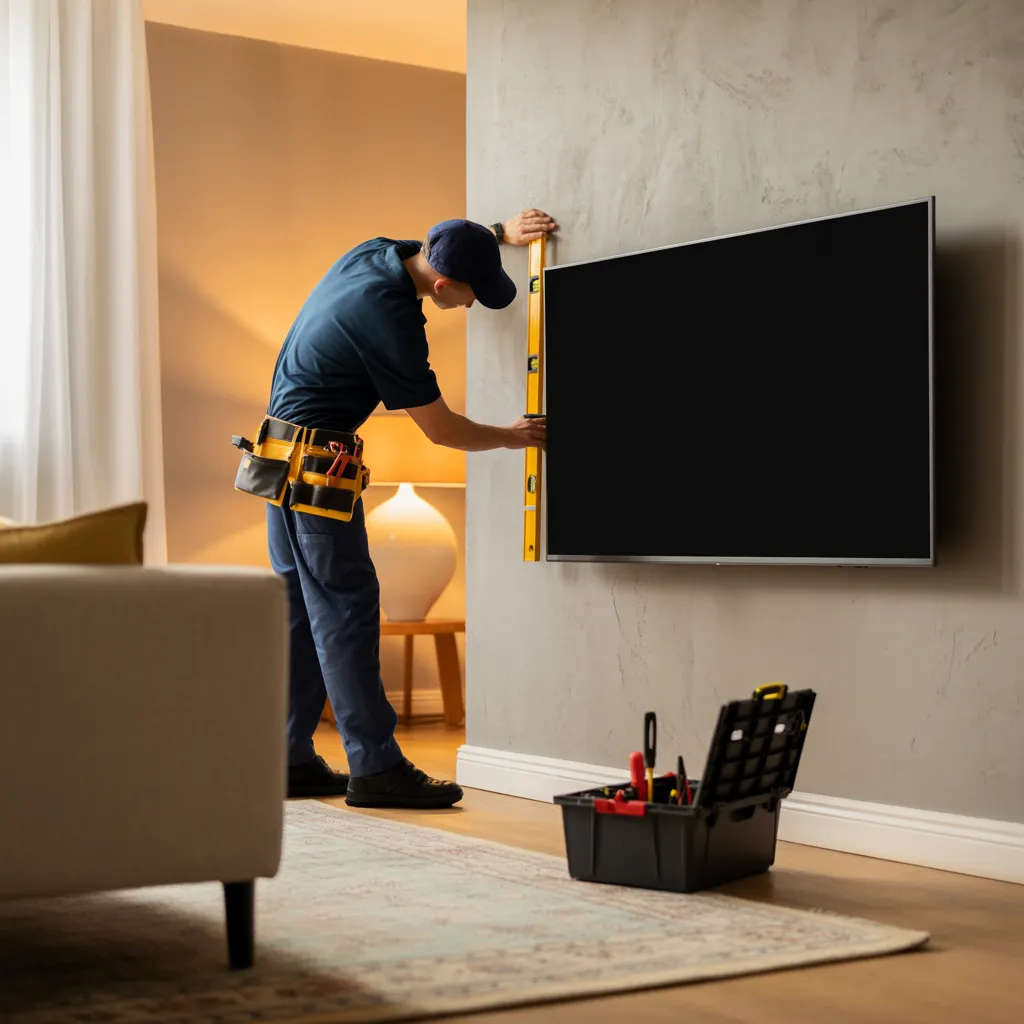
When residents contemplate installing their TVs on the wall, they frequently disregard the benefits of enlisting professional help. Certified wall mounting provides not only proper installation but also promotes greater security. Qualified professionals have the knowledge and skills necessary to evaluate wall materials, identify wall studs, and establish the optimal viewing height. Such proficiency reduces the likelihood of harm to walls or the TV itself.
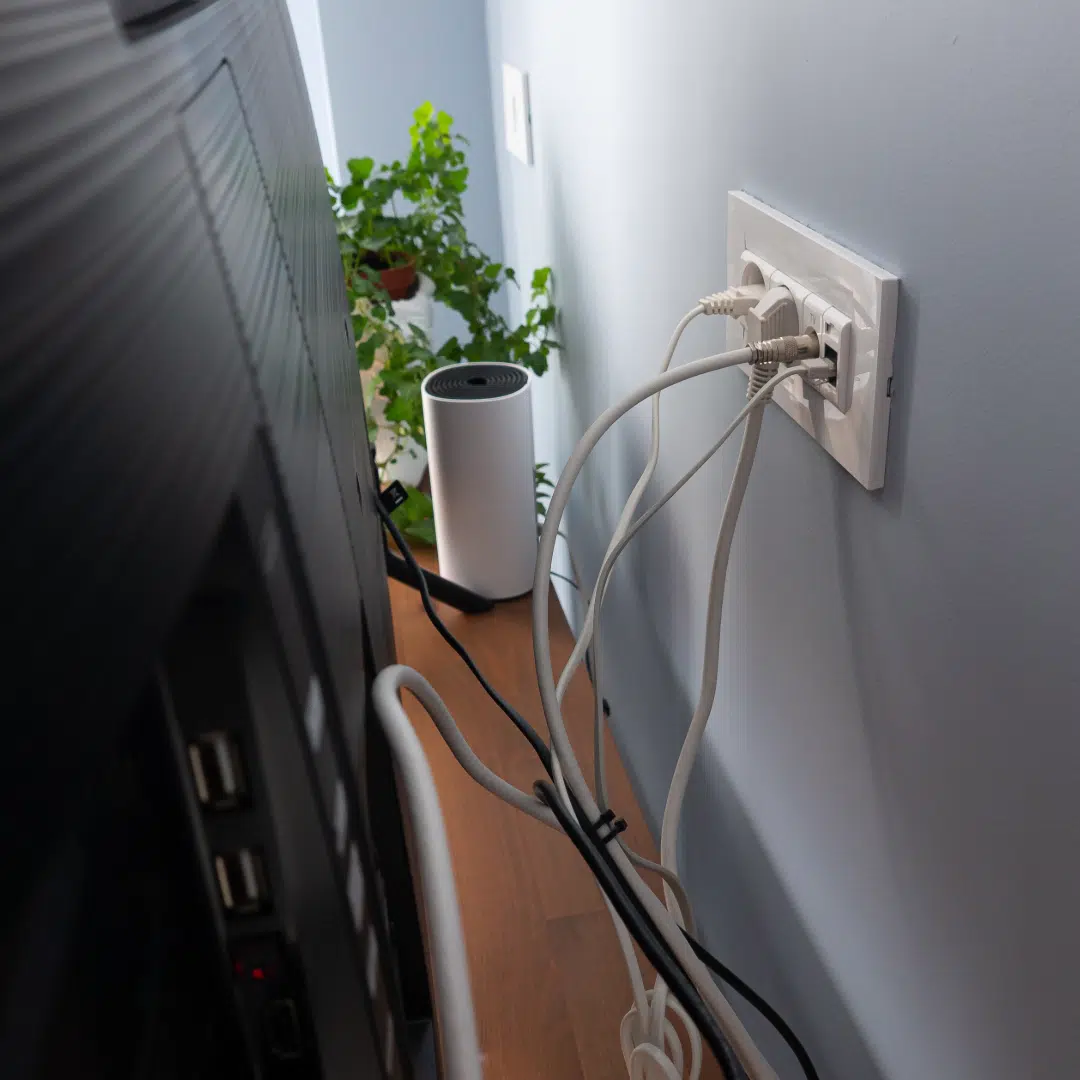
Additionally, experts can proficiently manage cable and wiring organization, producing a clean and organized aesthetic. They understand the significance of merging visual appeal with practicality, assuring that the configuration matches the overall design of the room. As an added benefit, choosing professional installers usually includes assurances and warranties, giving homeowners reassurance concerning their expenditure. By opting for professional TV mounting solutions, householders can benefit from a hassle-free experience, producing a sturdy and attractive configuration that improves their interior space.
How Wall Mounting Elevates Your Home's Aesthetic
Wall mounting a television can significantly enhance a home's visual appeal, as it does away with cumbersome furniture and delivers a clean, polished aesthetic. By placing the television at the optimal viewing height, it elevates the entertainment experience while sustaining a fresh, modern environment. This clean-cut method not only eliminates unnecessary clutter but also enables greater flexibility in room arrangements, making spaces feel larger and more open.
In addition, wall-mounted televisions work as a visual anchor, empowering homeowners to plan their decor around them with artwork or shelving that enhances the existing decor. The inclusion of hidden cables additionally enhances the appearance, delivering a refined look that improves both the style and function.
Beyond that, wall mounting supports a current feel, complementing prevailing design trends that prioritize elegance and simplicity. When all is considered, this carefully considered placement elevates a home's entire atmosphere, transforming standard living spaces into distinguished environments.
What to Expect During TV Wall Mounting
Planning for TV wall mounting entails a series of organized steps to achieve a smooth installation process. To begin, the professional assesses the wall structure and locates the best mounting location, accounting for factors such as wall studs and cable management. Once they have chosen the correct mounting bracket, they ensure that all necessary tools and materials are at hand.
The process starts with accurate measurements and wall markings to maintain accuracy. The installer then carefully fastens the bracket, making certain it is level and anchored properly. After the bracket has been secured, the TV is carefully mounted, with attention to cable connections and positioning for ideal viewing.
Upon completing the installation, the technician checks the setup, confirming that the TV functions correctly and delivers the intended look. At last, all debris and packaging materials are removed, leaving the room spotless and prepared for relaxation.
Optimal Strategies for TV Wall Mounting Positions
Selecting the ideal placement for positioning a TV demands a number of key elements to improve both usability and visual appeal. To begin, the viewing distance plays a vital role; a distance of 1.5 to 2.5 times the screen diagonal is ideal for optimal enjoyment. Furthermore, eye level is essential; the centerpoint of the screen should align with the seated viewer's sightline when seated. This ensures an satisfying viewing experience without straining the neck.
In addition, the wall's surface and structure must be inspected to minimize the risk of damage. Mounting on a stud rather than drywall assures stronger support. Natural lighting should also be taken into account, as glare can obstruct the viewing experience; it is recommended to position the TV away from direct sunlight. To conclude, easy access to power outlets and proper cable management should be taken into account to preserve a clean and orderly aesthetic. Implementing these steps results in an ideally placed TV that complements the overall room design.
5 Major Advantages of Expert TV Wall Mounting vs. DIY
Choosing a professional provider for TV wall mounting can provide notable benefits over a DIY approach. First, professionals have the knowledge to select the appropriate mounting brackets and hardware, providing the highest level of safety and stability. Second, they are outfitted with dedicated tools that support effective installation, reducing the risk of damage to walls or the TV itself. Third, professionals can evaluate the ideal viewing angles and positions, enhancing the overall aesthetic and functionality of the space. What is more, professional services often include warranties, offering reassurance should any issues arise post-installation. Finally, hiring experts saves time and effort, freeing homeowners to enjoy enjoying their entertainment systems rather than dealing with installation challenges. Altogether, these benefits underscore the importance of choosing professional TV wall mounting services.
Don't Make These Common TV Wall Mounting Mistakes
Mounting a TV can be an exciting project, but various typical missteps can cause disappointment and unintended damage. One prevalent oversight is not identifying wall studs, which can supplementary information cause poor structural support for weightier TV units. Additionally, neglecting to account for cable management can create an unsightly appearance, diminishing the polished appearance of an installed TV. Poor height selection represents another typical mistake; placing the TV too far up or down can create neck discomfort and reduce enjoyment. Additionally, selecting incorrect mounting components can undermine security and support. Lastly, disregarding the optimal viewing angle in relation to seating positions can reduce the quality of the experience. By steering clear of these errors, homeowners can ensure a smooth setup that improves their home environment. Engaging professional services can additionally mitigate these risks, providing expertise and precision for a flawless setup.
Questions We Often Receive
How Long Does a Regular TV Wall Mounting Service Typically Take?
A typical TV wall mounting installation lasts approximately one to two hours. Elements such as wall type, installation height, and required cable management may influence the overall time required for setup and installation.
What Tools Are Needed for DIY TV Wall Mounting?
Key supplies for DIY TV wall installation encompass a stud finder, spirit level, drill, screws, wall plugs, tape measure, and a socket set. These items deliver a reliable and proper mounting for optimal viewing experience.
Am I Able to Mount a TV on Any Kind of Wall?
Absolutely, a TV can be mounted on several wall types, including concrete, drywall, and brick. However, appropriate hardware and installation methods are necessary for maintaining a secure and safe installation across various materials.
Do I Have to Supply My Own Wall Mount?
Generally, clients are responsible for providing their own wall mount, ensuring compatibility with their TV and wall type. That said, some providers may offer wall mounts for sale, so it's advisable to confirm beforehand.
Is Wall Mounting Safe for Large, Heavy TVs?
Mounting large, heavy TVs on the wall can be done safely if proper mounts and installation techniques are used. Choosing the right hardware is essential and ensure the wall can effectively bear the television's weight.